What Do Dogs Really Need in Their Diet?
Providing the right nutrition is one of the most important responsibilities of dog ownership. A balanced diet supports healthy growth, strong immunity, proper digestion, and long-term well-being. Many owners wonder what do dogs really need in their diet, especially with so many different types of dog food available today.
Dogs require specific nutrients to maintain their health. These nutrients help support muscle development, brain function, energy production, and organ health. While commercial dog foods are typically designed to meet these needs, understanding the basics of dog nutrition helps owners make better choices for their pets.
Dogs are classified as omnivores, meaning they can digest both animal and plant-based ingredients. However, they still require certain essential nutrients that must be present in the correct balance.
In this guide, we’ll explore:
- what dogs really need in their diet
- the essential nutrients every dog requires
- signs that a dog’s diet may be unbalanced
- common causes of nutritional problems
- practical ways to support healthy feeding habits
Understanding these principles helps dog owners provide the best possible nutrition for their pets.
Disclosure: As Amazon Associates, we earn from qualifying purchases at no extra cost to you.
What Do Dogs Really Need in Their Diet?
To understand what dogs really need in their diet, it’s helpful to break nutrition down into essential nutrient categories. Each category plays a specific role in maintaining health and supporting the body’s functions.
Dogs require the following key nutrients:
- protein
- fats
- carbohydrates
- vitamins
- minerals
- water
These nutrients must be present in the right proportions to support overall health.
Protein: The Foundation of a Dog’s Diet
Protein is one of the most important nutrients for dogs.
It supports:
- muscle development
- tissue repair
- immune function
- enzyme production
Dogs obtain protein primarily from animal sources such as:
- chicken
- beef
- fish
- lamb
High-quality protein sources contain essential amino acids that dogs cannot produce on their own.
Protein requirements may vary depending on:
- age
- activity level
- health status
Puppies and active dogs generally require higher protein levels than sedentary adult dogs.
Healthy Fats: Energy and Nutrient Absorption
Fats are another important component of a dog’s diet.
Healthy fats provide:
- concentrated energy
- support for skin and coat health
- improved nutrient absorption
Essential fatty acids such as Omega-3 and Omega-6 help maintain healthy skin and reduce inflammation.
Common fat sources in dog food include:
- fish oil
- chicken fat
- flaxseed
Balanced fat levels are important because excessive fat intake can lead to weight gain.
Carbohydrates: Supporting Energy
Although dogs do not require carbohydrates in large amounts, they can benefit from them as an energy source.
Carbohydrates also provide:
- dietary fiber
- digestive support
- sustained energy
Common carbohydrate sources in dog food include:
- rice
- oats
- sweet potatoes
- barley
Fiber helps maintain healthy digestion and supports gut health.
Vitamins and Minerals
Vitamins and minerals are required in smaller amounts but are still essential for proper body function.
Important vitamins include:
- Vitamin A
- Vitamin D
- Vitamin E
- Vitamin B complex
These nutrients support vision, immune health, metabolism, and cellular function.
Minerals such as calcium and phosphorus help maintain strong bones and teeth.
Water: The Most Essential Nutrient
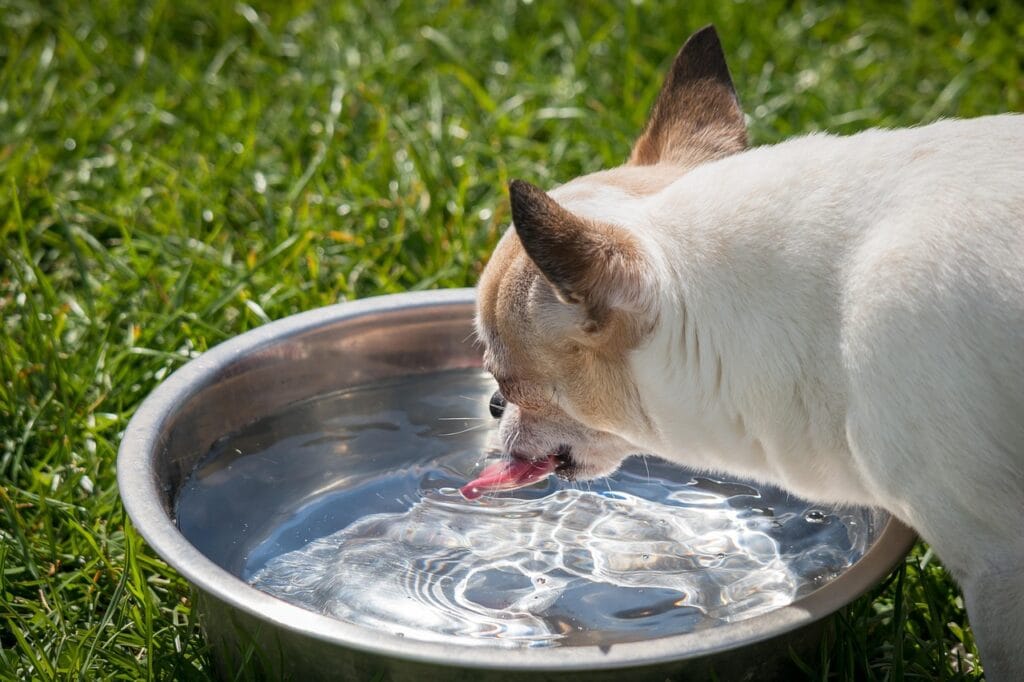
Water is often overlooked but is the most essential nutrient in a dog’s diet.
Dogs require constant access to fresh, clean water.
Water supports:
- digestion
- circulation
- temperature regulation
- nutrient transport
Dehydration can quickly lead to health problems, so monitoring water intake is important.
Signs of an Unbalanced Diet
Dogs receiving poor nutrition may show several warning signs.
Recognizing these signs early can help prevent health problems.
Common symptoms include:
- dull coat
- excessive shedding
- low energy levels
- digestive upset
- weight gain or loss
- skin irritation
If these symptoms appear consistently, reviewing the dog’s diet with a veterinarian may be helpful.
Possible Causes of Nutritional Problems
Several factors may affect a dog’s diet quality.
Understanding these causes helps prevent imbalances.
Low-Quality Dog Food
Some foods contain fillers that provide little nutritional value.
Choosing well-balanced food formulated for dogs is important.
Overfeeding
Feeding excessive portions may lead to obesity.
Obesity increases the risk of:
- joint problems
- heart disease
- diabetes
Feeding Too Many Treats
Treats should only make up a small portion of a dog’s diet.
Excessive treats may disrupt nutritional balance.
Sudden Diet Changes
Abrupt food changes can cause digestive upset.
Gradual transitions allow the digestive system to adjust.
What Dog Owners Should Do Next
Dog owners should evaluate their pet’s diet regularly.
Helpful steps include:
- choosing high-quality dog food
- following feeding guidelines
- monitoring weight and body condition
- consulting veterinarians when necessary
Different life stages may require different nutritional needs.
For example:
- puppies require growth-supporting nutrients
- senior dogs may benefit from joint-support ingredients
Regular veterinary guidance ensures that dietary needs are met.
Helpful Tips for Maintaining a Healthy Dog Diet
Several simple practices help support balanced nutrition.
Follow Portion Recommendations
Feeding the correct portion size prevents overeating.
Portion guidelines are usually listed on dog food packaging.
Maintain Feeding Schedules
Consistent feeding times help regulate digestion.
Most adult dogs do well with two meals per day.
Limit Table Scraps
Human food may contain ingredients that are unhealthy for dogs.
Limiting table scraps helps maintain nutritional balance.
Monitor Body Condition
Regularly checking a dog’s body condition helps detect weight changes early.
Healthy dogs should have a visible waist and easily felt ribs.
Helpful Products That Support Healthy Feeding
This article contains affiliate links. As an Amazon Associate, we earn from qualifying purchases.
Certain products can support healthy feeding habits and digestion.
Slow Feeder Dog Bowl
Slow feeder bowls encourage dogs to eat more slowly.
Benefits include:
- improving digestion
- reducing choking risk
- preventing overeating
High-Quality Dog Food
Balanced dog food provides complete nutrition.
Benefits include:
- proper nutrient balance
- improved coat condition
- healthy energy levels
Dog Probiotic Supplements
Probiotic supplements support digestive health.
Benefits include:
- improved gut bacteria balance
- better digestion
- stronger immune function
Dog Food Storage Container
Proper storage keeps dog food fresh and safe.
Benefits include:
- protecting nutrients
- preventing contamination
- maintaining food quality
Conclusion
Understanding what dogs really need in their diet helps owners provide balanced nutrition that supports long-term health. Dogs require a combination of protein, healthy fats, carbohydrates, vitamins, minerals, and water to maintain proper body function.
A well-balanced diet supports energy levels, healthy digestion, strong muscles, and a healthy coat. By choosing high-quality dog food, following appropriate feeding practices, and monitoring body condition, dog owners can help their pets maintain optimal health.
Regular veterinary guidance also helps ensure that dietary needs are met at every stage of life.
With the right nutrition and care, dogs can enjoy active, healthy lives alongside their families.
FAQ
What is the most important nutrient for dogs?
Protein is essential for muscle development, immune health, and tissue repair.
Can dogs eat human food?
Some human foods are safe, but many are unhealthy or toxic for dogs.
How often should dogs be fed?
Most adult dogs are fed twice per day, while puppies may require more frequent meals.
Do dogs need carbohydrates?
Carbohydrates provide energy and fiber but should be balanced with other nutrients.
How can I tell if my dog’s diet is healthy?
Signs of a healthy diet include good energy levels, a shiny coat, healthy digestion, and stable body weight.
You may also like: