Why Regular Vet Checkups Are Important for Dogs
Every dog owner wants their pet to live a long, healthy, and happy life. One of the most effective ways to support your dog’s health is through routine veterinary care. Understanding why regular vet checkups are important for dogs helps owners prevent illness, detect health problems early, and ensure their pets receive proper care throughout their lives.
Dogs cannot explain when they feel unwell. Many health issues develop gradually and may not show obvious symptoms until they become more serious. Regular veterinary exams allow professionals to detect potential concerns before they become major problems.
Preventive care is one of the most important aspects of responsible dog ownership. By scheduling routine vet visits, owners can protect their dog’s health and provide the best possible quality of life.
In this guide, we’ll explain:
- why regular vet checkups are important for dogs
- what veterinarians look for during exams
- common health problems that early exams may detect
- what dog owners should do to maintain preventive care
- helpful ways to support long-term health
Learning about veterinary care helps owners make informed decisions about their dog’s well-being.
Disclosure: As Amazon Associates, we earn from qualifying purchases at no extra cost to you.
Why Regular Vet Checkups Are Important for Dogs
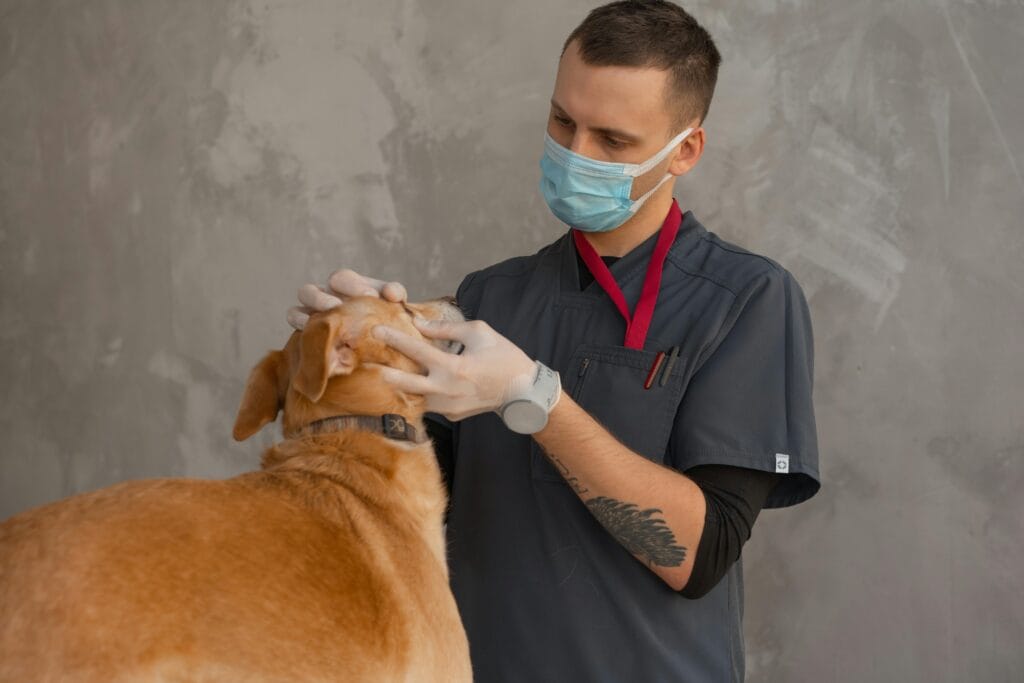
Understanding why regular vet checkups are important for dogs begins with recognizing that preventive care is far more effective than treating advanced illness.
Routine exams allow veterinarians to monitor a dog’s health over time and detect subtle changes that might otherwise go unnoticed.
During a routine exam, a veterinarian may evaluate:
- body weight and body condition
- heart and lung function
- skin and coat health
- ears and eyes
- dental condition
- joint mobility
These evaluations help identify early signs of health problems and guide recommendations for diet, exercise, or treatment if needed.
What Happens During a Routine Vet Checkup
Many owners wonder what veterinarians actually check during routine appointments.
Veterinary exams usually include several important assessments.
Physical Examination
A veterinarian begins with a complete physical examination.
This may include:
- checking the dog’s temperature
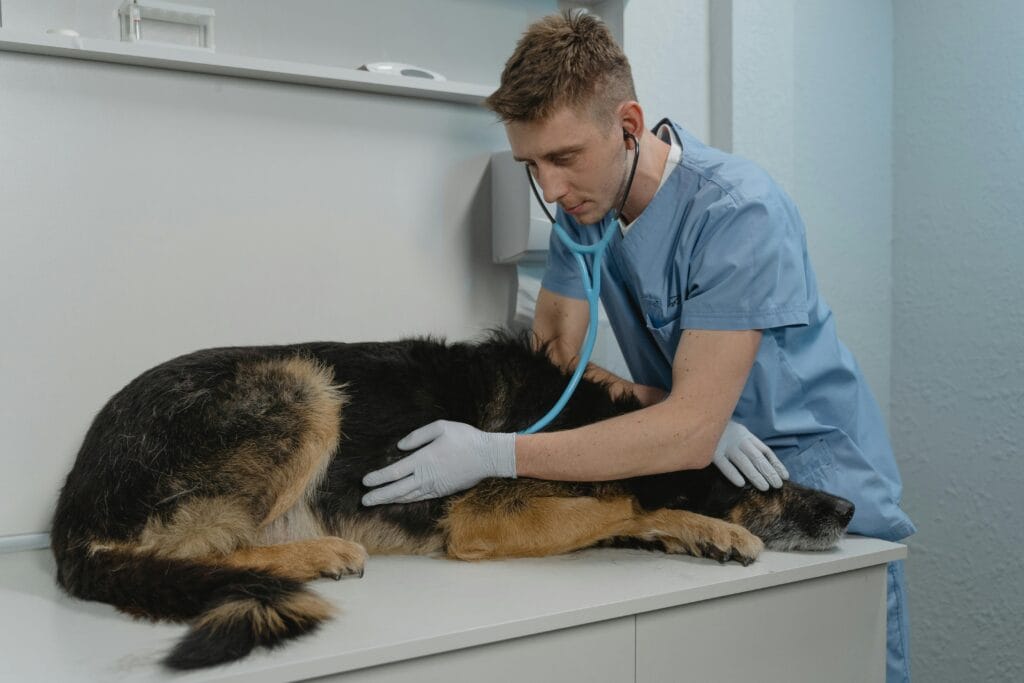
- listening to the heart and lungs
- examining the eyes and ears
- checking the skin and coat
- evaluating joint movement
These checks help detect signs of infection, inflammation, or other abnormalities.
Weight and Body Condition Assessment
Maintaining a healthy weight is essential for dogs.
Veterinarians assess body condition to determine whether a dog is:
- underweight
- at a healthy weight
- overweight
Weight changes can signal health concerns such as metabolic conditions or dietary issues.
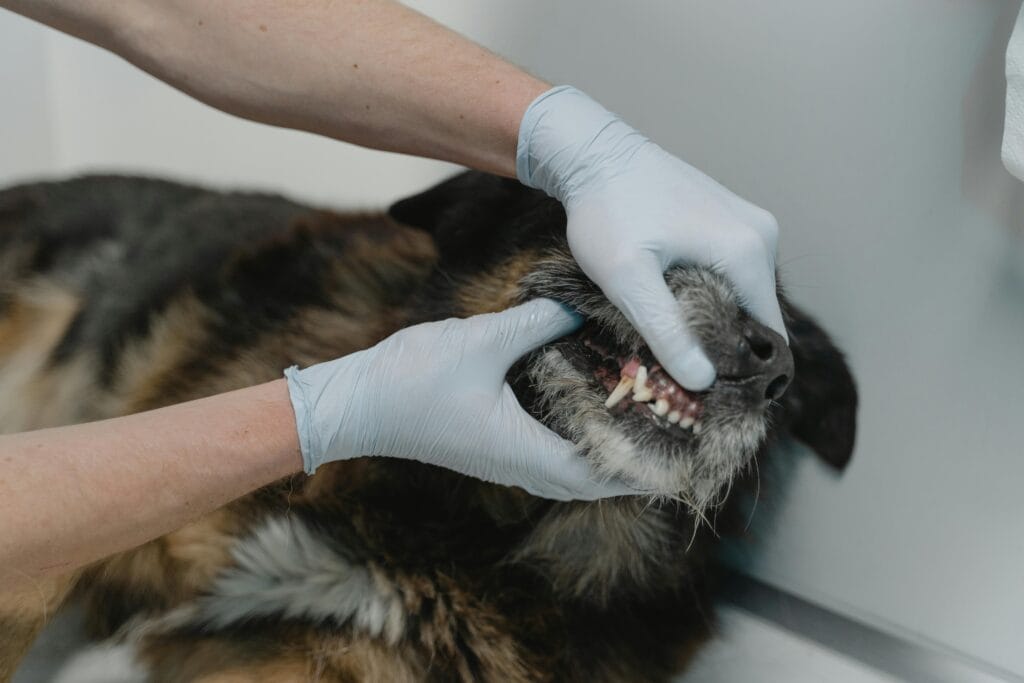
Dental Health Check
Dental disease is extremely common in dogs.
Veterinarians check for:
- plaque buildup
- gum inflammation
- loose teeth
- bad breath
Early dental care can prevent more serious health complications.
Vaccination Review
Vaccinations protect dogs from serious infectious diseases.
Veterinarians review vaccination records and recommend boosters when necessary.
Common vaccines include:
- rabies
- distemper
- parvovirus
- adenovirus
Keeping vaccinations up to date helps protect both individual dogs and the wider pet community.
Parasite Prevention
Routine checkups often include discussions about parasite prevention.
Veterinarians may recommend protection against:
- fleas
- ticks
- intestinal parasites
- heartworm
Regular prevention helps avoid potentially serious health problems.
Early Signs That Vet Visits Can Detect
One of the biggest benefits of routine veterinary care is early detection.
Some health problems show subtle signs that trained professionals can recognize.
Skin and Coat Problems
Changes in skin or coat condition may indicate allergies, infections, or parasites.
Veterinarians can detect early signs of irritation or inflammation.
Joint and Mobility Issues
As dogs age, joint problems may develop.
Early detection allows veterinarians to recommend treatments that support mobility and comfort.
Heart and Respiratory Issues
Listening to heart and lung sounds can reveal abnormalities such as murmurs or breathing problems.
Early diagnosis allows for better treatment outcomes.
Digestive Health Changes
Weight loss, appetite changes, or digestive symptoms may indicate underlying medical conditions.
Routine exams help identify these issues early.
Possible Causes of Health Issues in Dogs
Routine vet visits help detect problems caused by various factors.
Common causes of health issues include:
- poor nutrition
- parasites
- infections
- aging-related conditions
- genetic predispositions
Identifying these issues early helps prevent complications.
What Dog Owners Should Do Next
Regular veterinary care should be part of every dog’s health routine.
Most veterinarians recommend:
- annual checkups for adult dogs
- twice-yearly exams for senior dogs
Puppies often require more frequent visits during their first year.
Owners should also monitor their dog’s health between visits by observing:
- appetite
- energy levels
- behavior changes
- physical condition
If unusual symptoms appear, contacting a veterinarian promptly is recommended.
Helpful Tips for Supporting Long-Term Dog Health
Routine vet visits are only one part of preventive care.
Owners can support their dog’s health with simple daily habits.
Provide Balanced Nutrition
A high-quality diet supports immune health and energy levels.
Dogs benefit from food appropriate for their age, size, and activity level.
Maintain Regular Exercise
Exercise helps maintain healthy weight and supports joint health.
Daily walks and play sessions are important for physical and mental well-being.
Practice Good Grooming
Regular grooming helps detect skin problems, parasites, or injuries early.
It also supports coat and skin health.
Monitor Behavioral Changes
Behavioral changes can sometimes indicate health problems.
Owners should pay attention to unusual patterns.
Helpful Products for Preventive Dog Care
This article contains affiliate links. As an Amazon Associate, we earn from qualifying purchases.
Certain products can help owners maintain their dog’s health between veterinary visits.
Dog Dental Care Kit
Dental care kits help maintain oral hygiene.
Benefits include:
- reducing plaque buildup
- preventing gum disease
- improving breath quality
Dog Grooming Kit
Home grooming kits help maintain coat and skin health.
Benefits include:
- removing loose fur
- detecting skin problems early
- keeping coats clean and healthy
Dog Health Supplements
Some supplements support joint health and immune function.
Benefits include:
- supporting aging dogs
- promoting mobility
- supporting overall wellness
Orthopedic Dog Bed
Comfortable beds help support joints and improve rest quality.
Benefits include:
- reducing pressure on joints
- improving sleep quality
- supporting senior dogs

Conclusion
Understanding why regular vet checkups are important for dogs helps owners take proactive steps to protect their pet’s health. Routine veterinary exams allow professionals to detect early signs of illness, monitor physical condition, and provide guidance for proper care.
Preventive care is one of the most effective ways to ensure dogs live long and comfortable lives. By scheduling regular veterinary visits, maintaining healthy routines at home, and monitoring changes in behavior or physical condition, owners can support their dog’s well-being throughout every stage of life.
With proper care and attention, many health issues can be prevented or treated before they become serious.
FAQ
How often should dogs visit the veterinarian?
Most adult dogs should have a veterinary exam once per year, while senior dogs may benefit from visits every six months.
What happens during a routine vet checkup?
Veterinarians examine the dog’s body condition, heart, lungs, skin, teeth, joints, and vaccination status.
Why are vaccinations important for dogs?
Vaccinations protect dogs from serious and potentially fatal diseases.
Can regular vet visits prevent illness?
Yes. Preventive care helps detect health issues early and reduces the risk of serious illness.
What signs mean my dog should see a vet sooner?
Symptoms such as vomiting, loss of appetite, sudden weight loss, or behavioral changes should be evaluated by a veterinarian.
You may also like: