How to Help a Dog With Separation Anxiety
Many dog owners experience the same stressful situation: the moment you leave the house, your dog begins barking, whining, scratching doors, or destroying things. If you’re searching for how to help a dog with separation anxiety, you’re not alone. Separation anxiety is one of the most common behavioral issues dogs experience.
Dogs are naturally social animals and often form strong bonds with their owners. When left alone, some dogs become anxious because they feel abandoned or unsafe.
The good news is that separation anxiety can often be improved with the right training methods, routines, and environment adjustments. In this guide, you’ll learn practical steps to help your dog feel calmer and more confident when you’re away from home.
Disclosure: As Amazon Associates, we earn from qualifying purchases at no extra cost to you.
Signs Your Dog Has Separation Anxiety
Before learning how to help a dog with separation anxiety, it’s important to recognize the signs.
Common symptoms include:
- excessive barking or whining
- destructive chewing
- scratching doors or windows
- pacing or restlessness
- accidents inside the house
- drooling or panting excessively
- trying to escape when alone
These behaviors usually occur only when the dog is left alone, which helps distinguish separation anxiety from normal boredom.
How to Help a Dog With Separation Anxiety: Step-by-Step Guide
Helping an anxious dog requires patience and consistency. These steps can gradually reduce your dog’s stress when you’re away.
Step 1: Create a Predictable Daily Routine
Dogs feel safer when their day follows a predictable pattern.
Try to keep these activities consistent:
- feeding times
- walks
- play sessions
- bedtime
When dogs know what to expect, their anxiety levels often decrease.
Step 2: Provide Enough Physical Exercise
A tired dog is usually a calmer dog.
Before leaving the house, try to give your dog:
- a long walk
- a play session
- a training activity
Physical exercise helps burn excess energy and reduces nervous behavior when left alone.
Step 3: Practice Short Departures
Many dogs panic because they aren’t used to being alone.
Start training your dog by practicing very short departures.
Example training plan:
- Leave the house for 1–2 minutes
- Return calmly without excitement
- Repeat several times daily
- Slowly increase the time away
This helps your dog learn that you always come back.
Step 4: Create a Safe and Comfortable Space
Dogs often relax better when they have a designated resting area.
Create a calm environment with:
- a comfortable dog bed
- familiar toys
- a quiet location in the home
Helpful Product Suggestion
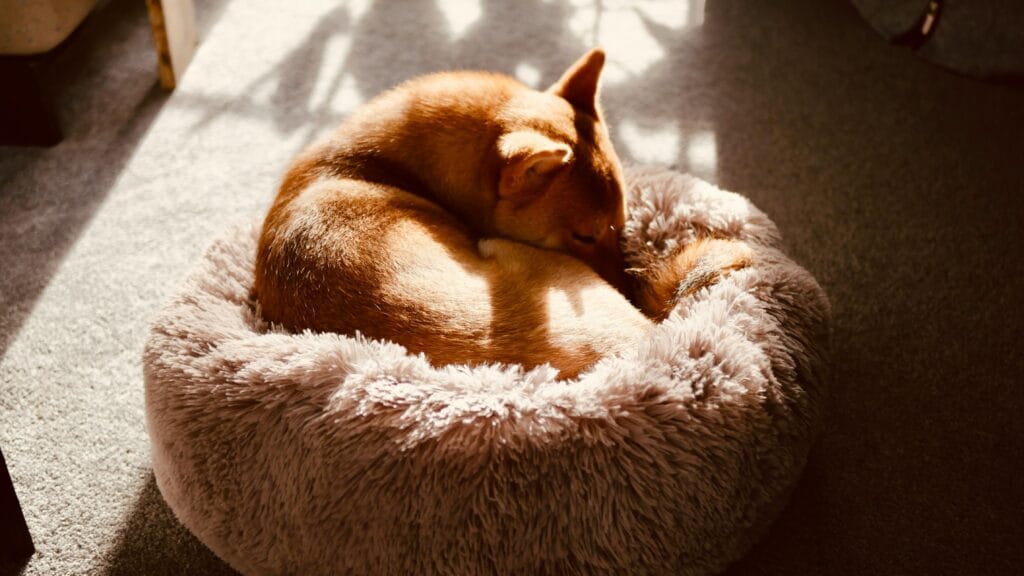
Many anxious dogs respond well to calming beds like the Best Friends by Sheri Calming Donut Bed, which features raised edges and soft materials that create a sense of security.
This type of bed mimics the comfort of a natural den and can help anxious dogs relax when left alone.
Step 5: Use Mental Stimulation Before Leaving
Mental activity can help reduce anxiety because it keeps your dog focused.
Before leaving home, try:
- puzzle toys
- treat-dispensing toys
- short training sessions
Helpful Product Suggestion
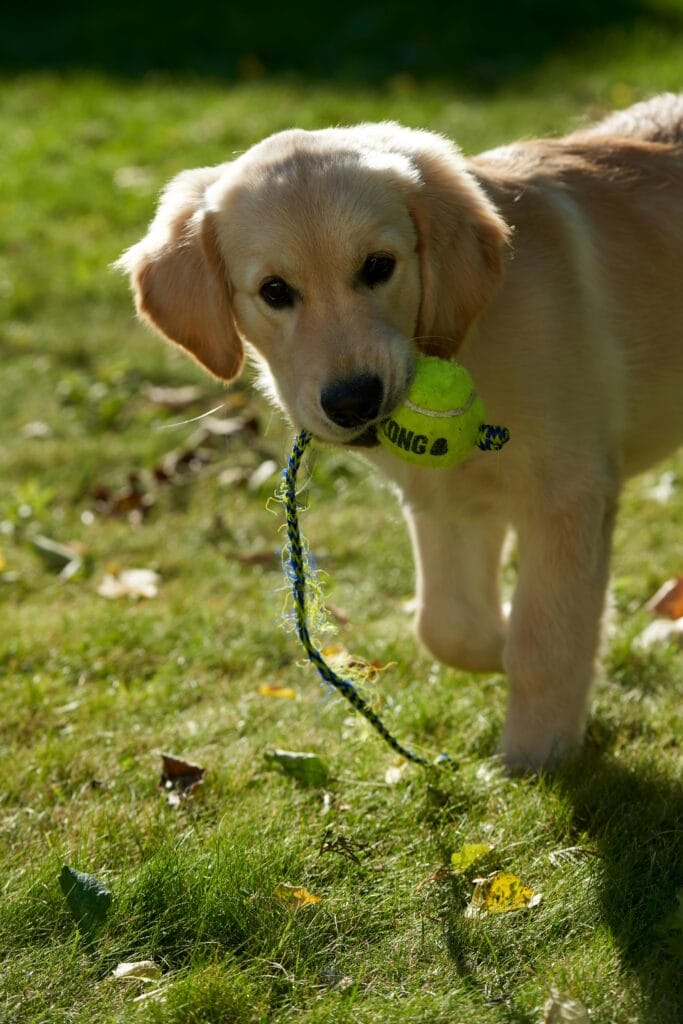
The KONG Classic Dog Toy is widely used for dogs with separation anxiety. Filling it with treats or peanut butter gives your dog a rewarding activity while you’re away.
Many owners freeze the filled toy so it lasts longer.
Step 6: Stay Calm When Leaving and Returning
Dogs often pick up on human emotions.
If departures are emotional or dramatic, your dog may believe something stressful is happening.
Instead:
- leave calmly
- avoid long goodbyes
- return home quietly
- wait until your dog relaxes before greeting them
This teaches your dog that leaving and returning are normal events.
Practical Tips That Help Anxious Dogs
These additional tips can help reduce anxiety over time.
Leave Background Noise
Soft music or white noise can make the house feel less empty.
Provide Safe Chew Toys
Chewing is a natural stress-relief activity for dogs.
Avoid Punishing Anxiety
Punishment increases fear and makes separation anxiety worse.
Gradually Build Independence
Encourage your dog to spend short periods resting alone in another room.
Common Mistakes Dog Owners Make
When trying to help anxious dogs, some common mistakes can slow progress.
1. Leaving Dogs Alone Too Long Too Soon
Gradual training works better than sudden long absences.
2. Over-Comforting the Dog
Constant reassurance may accidentally reinforce anxious behavior.
3. Ignoring Mental Stimulation
Bored dogs often develop anxiety faster.
4. Inconsistent Training
Dogs learn best when routines remain consistent.
5. Not Addressing the Root Cause
Sometimes anxiety is caused by lack of exercise or major changes in the environment.
Conclusion
Learning how to help a dog with separation anxiety takes patience, consistency, and understanding. While some dogs improve quickly, others may need time to build confidence when left alone.
By creating a predictable routine, increasing physical and mental stimulation, practicing gradual departures, and providing a safe resting space, many dogs can learn to feel calmer when their owners leave.
Small changes in daily habits often lead to significant improvements in your dog’s comfort and confidence.
With the right approach, most dogs can overcome separation anxiety and feel secure even when they spend time alone.
FAQ
How long does separation anxiety training take?
Every dog is different, but most dogs show improvement within several weeks of consistent training.
Do puzzle toys help with separation anxiety?
Yes. Puzzle toys can keep dogs mentally engaged and reduce boredom when left alone.
Should I crate my dog if they have separation anxiety?
Some dogs feel safe in crates, while others may feel trapped. It depends on the individual dog.
Can exercise reduce separation anxiety?
Yes. Dogs that receive enough physical activity are often calmer and more relaxed when left alone.
When should I contact a veterinarian?
If anxiety leads to extreme panic, self-harm, or destruction, professional training or veterinary advice may be needed.
You may also like:
- How to Stop a Dog from Pulling on the Leash — behavior guides for dog training.
- Daily Routine for a Happy, Healthy Dog — pairing toys with routines.
- Best Dog Food for Sensitive Stomachs — if diet influences chewing behavior.