15 Subtle Signs Your Dog Might Be in Pain
Dogs are incredibly good at hiding discomfort. In the wild, showing pain could make animals vulnerable, so many dogs instinctively mask their symptoms. That’s why recognizing the 15 subtle signs your dog might be in pain is extremely important for dog owners.
Pain in dogs is not always obvious. While severe injuries may cause clear symptoms like limping or crying, many health issues develop gradually. Dogs often show small behavioral changes long before obvious symptoms appear.
By learning to recognize early warning signs, owners can seek veterinary care sooner and help their dogs avoid prolonged discomfort.
In this guide, you’ll discover:
- 15 subtle signs your dog might be in pain
- behavioral clues that often go unnoticed
- common causes of pain in dogs
- practical tips for monitoring your dog’s health
Understanding these signals can help you become a more attentive and proactive pet owner.
Disclosure: As Amazon Associates, we earn from qualifying purchases at no extra cost to you.
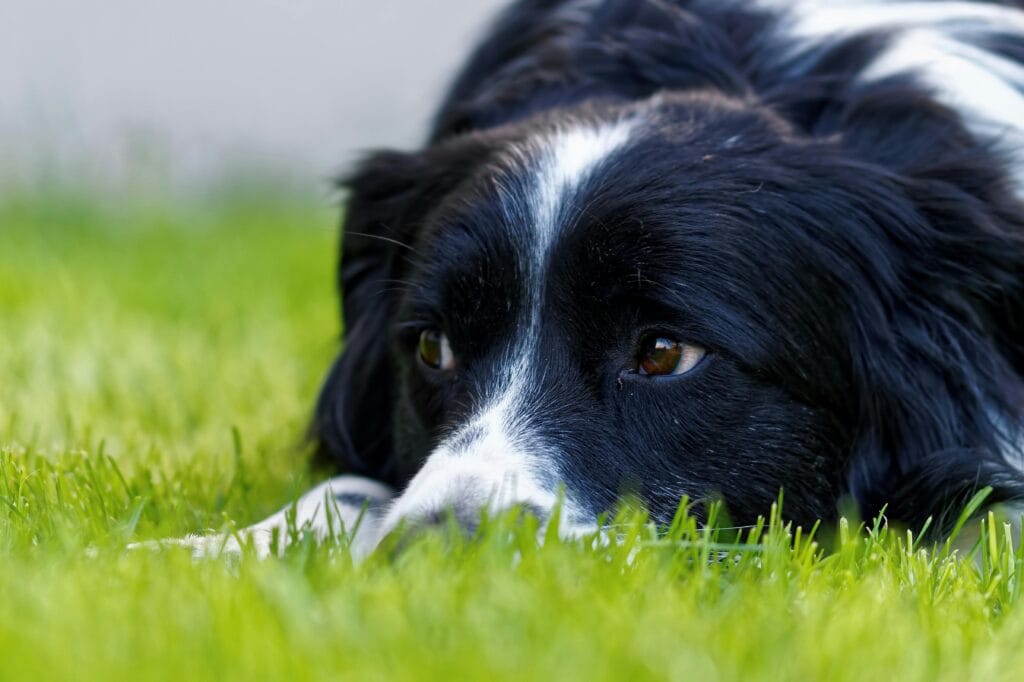
15 Subtle Signs Your Dog Might Be in Pain
1. Decreased Activity
One of the earliest signs of discomfort is reduced activity.
Dogs that normally enjoy walks or play may suddenly become less interested in movement.
2. Changes in Appetite
Dogs experiencing pain may eat less or refuse food entirely.
Loss of appetite can signal many health problems.
3. Excessive Sleeping
Dogs that are uncomfortable may sleep more than usual.
Extra rest may help them cope with discomfort.
4. Limping or Favoring a Leg
Limping is a more obvious sign of pain but may appear gradually.
Even mild limping should be taken seriously.
5. Reluctance to Jump or Climb
Dogs experiencing joint or muscle pain may avoid activities like:
- jumping on furniture
- climbing stairs
- running quickly

6. Changes in Posture
Dogs in pain may stand or sit differently.
Common posture changes include:
- hunched back
- stiff movements
- lowered head
7. Increased Irritability
Pain can affect a dog’s mood.
Dogs that suddenly become irritable, growl, or avoid touch may be uncomfortable.
8. Excessive Licking
Dogs often lick areas that hurt.
Repeated licking may indicate injury or inflammation.
9. Panting Without Exercise
Panting normally occurs during exercise or hot weather.
Panting while resting may signal discomfort or stress.
10. Difficulty Getting Up
Joint pain or arthritis can make standing difficult.
You may notice hesitation when your dog tries to rise.
11. Avoiding Interaction
Dogs in pain sometimes withdraw from social interaction.
They may move away when approached or avoid contact.
12. Whining or Vocalizing
Some dogs express pain through whining or whimpering.
Even subtle vocalization may indicate discomfort.
13. Changes in Grooming Habits
Dogs may groom excessively or stop grooming altogether when they feel unwell.
Both behaviors may signal underlying health issues.
14. Shaking or Trembling
Trembling may occur when dogs are anxious or in pain.
If shaking happens without a clear reason, it should be monitored.
15. Behavioral Changes
Sudden changes in behavior—such as hiding, aggression, or restlessness—can indicate pain.
Behavior often provides important clues about a dog’s health.

Helpful Tips for Dog Owners
Recognizing symptoms is only the first step. Owners can also take proactive measures to support their dog’s comfort.
Monitor Behavioral Changes
Pay attention to small changes in behavior, appetite, or movement.
Dogs often communicate health problems through subtle shifts.
Provide Comfortable Resting Areas
Supportive beds reduce pressure on joints and muscles.
Comfortable rest can help dogs recover more easily.
Maintain Regular Vet Visits
Routine veterinary care helps detect health problems early.
Preventive care is often the most effective approach.
Avoid Self-Diagnosing
If you suspect your dog is in pain, consult a veterinarian.
Professional evaluation ensures proper treatment.
Helpful Products That May Improve Comfort
This article contains affiliate links. As an Amazon Associate, we earn from qualifying purchases.
These products can help support dogs experiencing discomfort.
Orthopedic Dog Bed
Orthopedic beds provide extra joint support.
Benefits include:
- relieving pressure on joints
- improving sleep quality
- ideal for senior dogs
Dog Joint Support Supplement
Joint supplements support mobility and cartilage health.
Benefits include:
- improved flexibility
- reduced joint discomfort
- helpful for aging dogs
Heated Pet Bed
Heated beds can soothe sore muscles and joints.
Benefits include:
- warmth for stiff joints
- increased comfort during rest
- helpful for older dogs
Pet Stairs for Furniture
Pet stairs reduce the need for jumping.
Benefits include:
- protecting joints
- easier access to beds or couches
- helpful for small or senior dogs
Conclusion
Understanding the 15 subtle signs your dog might be in pain can help dog owners detect health problems before they become serious. Because dogs often hide discomfort, behavioral changes are often the first clue that something may be wrong.
By paying close attention to changes in movement, appetite, and personality, owners can act quickly and seek professional care when needed.
Early intervention can significantly improve a dog’s comfort and overall quality of life.
Your dog relies on you to recognize when something isn’t right—and the sooner you notice the signs, the sooner your dog can get the help they need.
FAQ
How can I tell if my dog is hiding pain?
Look for subtle behavioral changes such as reduced activity, appetite changes, or unusual posture.
Do dogs naturally hide pain?
Yes. Dogs often hide pain as a survival instinct.
When should I take my dog to the vet for pain?
If symptoms persist for more than a day or worsen, veterinary care is recommended.
Can arthritis cause pain in dogs?
Yes. Arthritis is one of the most common causes of chronic pain in dogs.
What should I do if I think my dog is in pain?
Avoid giving human medication and consult a veterinarian for proper diagnosis and treatment.
You may also like: